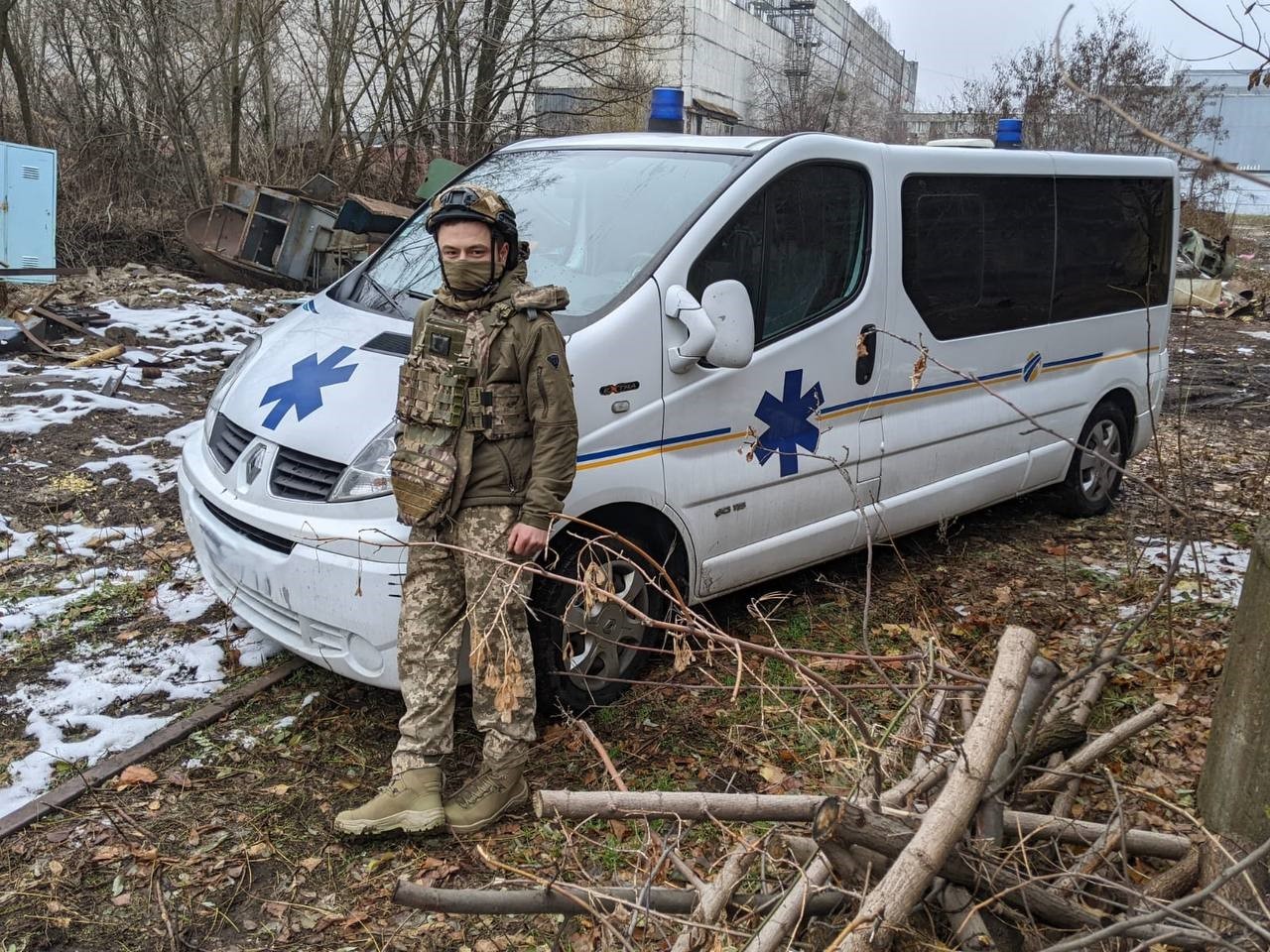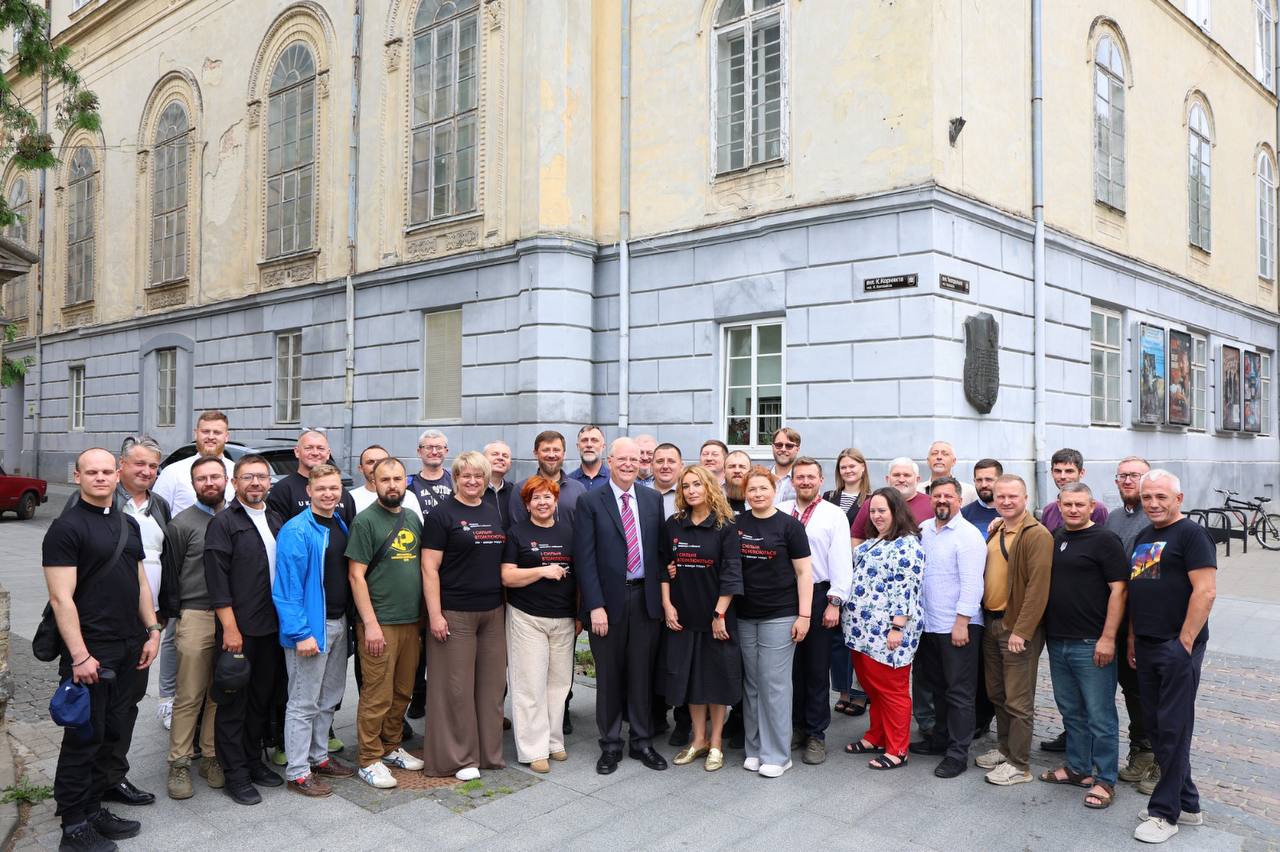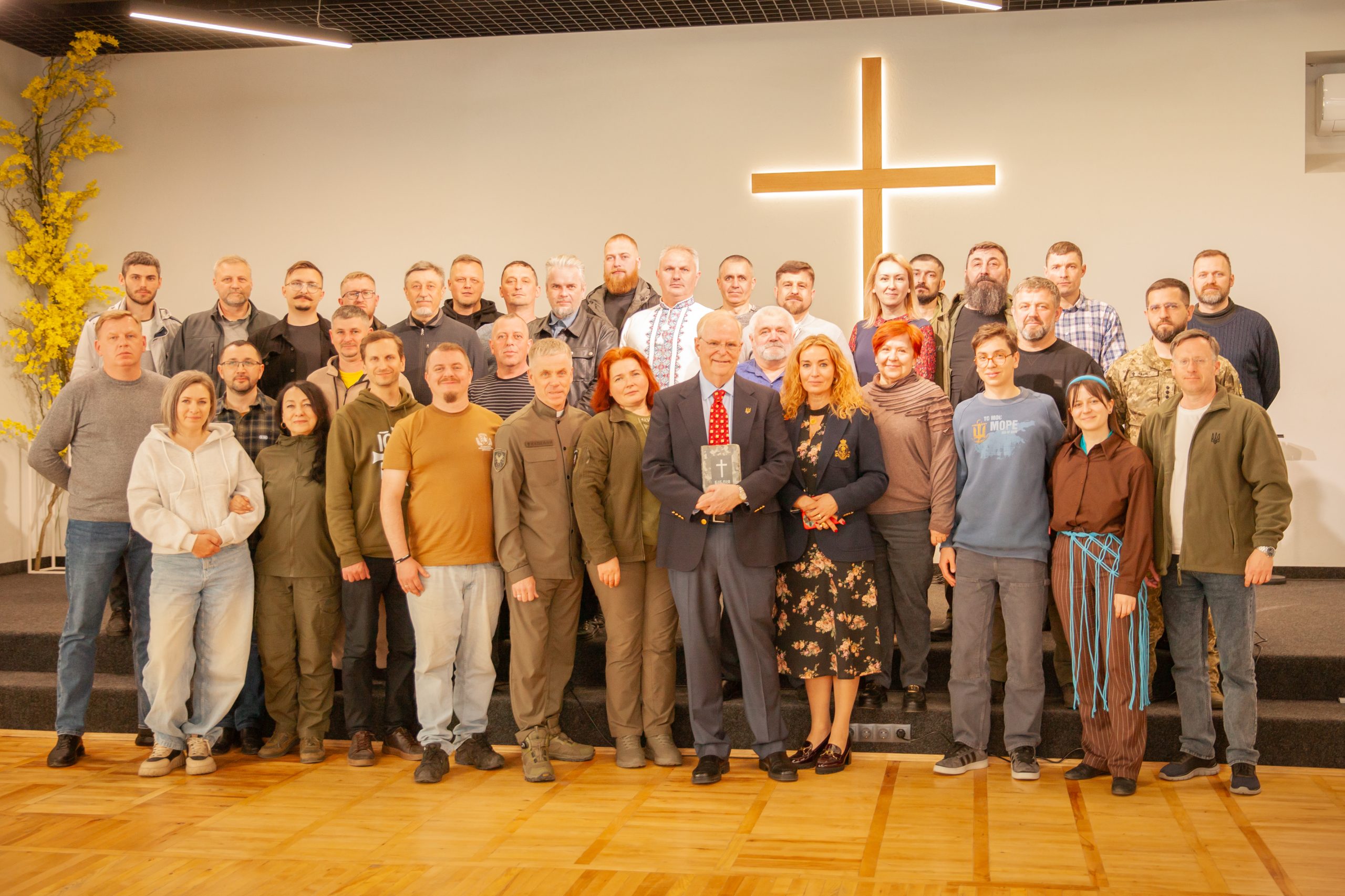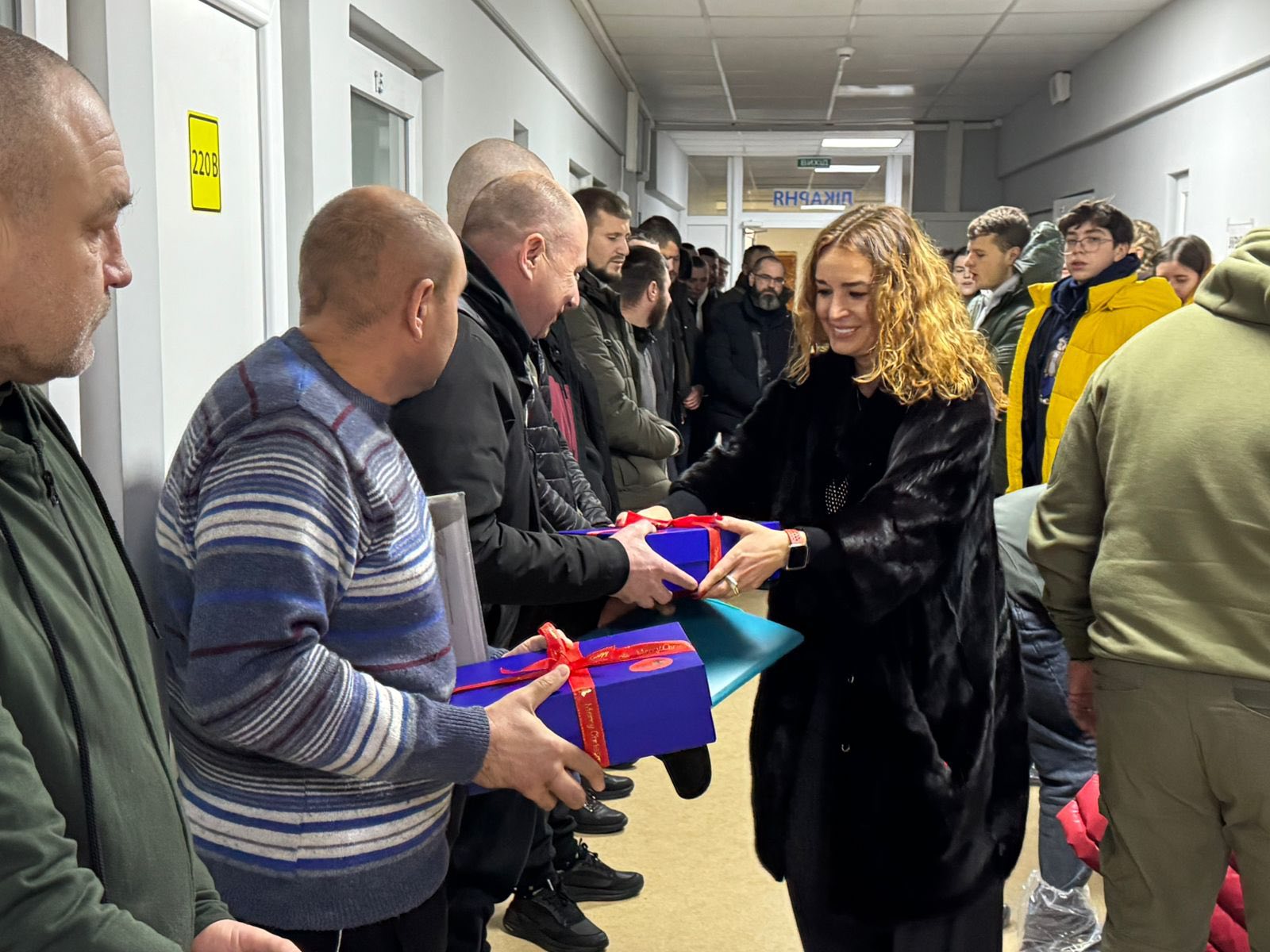
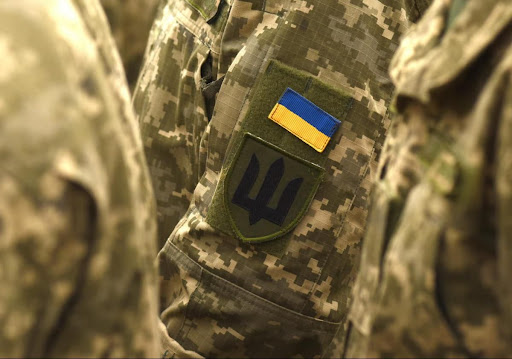
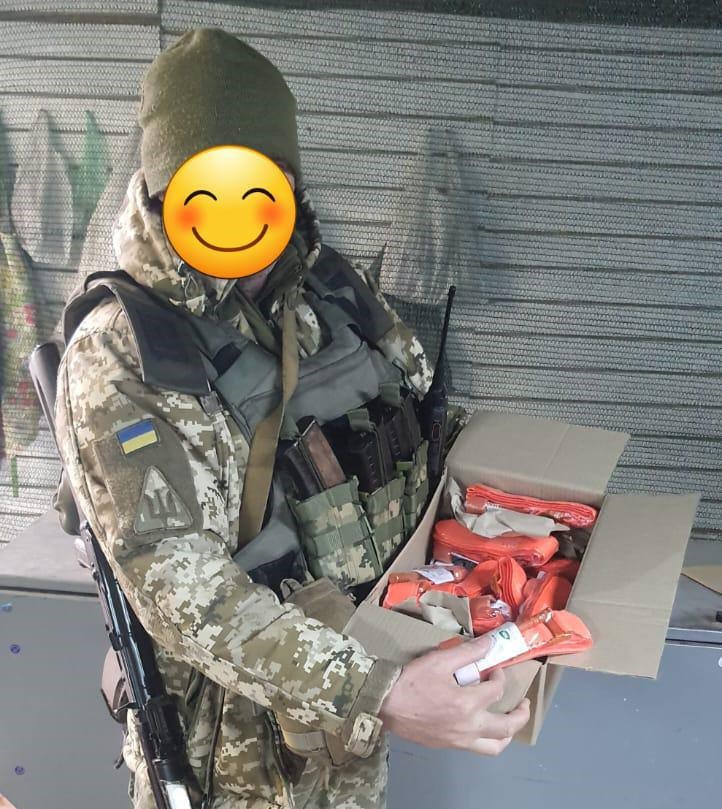
We raise funds to purchase, and deliver critical equipment directly to frontline units. This includes ambulances, medical supplies, and lifesaving CAT tourniquets that protect defenders in the most intense combat zones and save lives.
САТ tourniquets
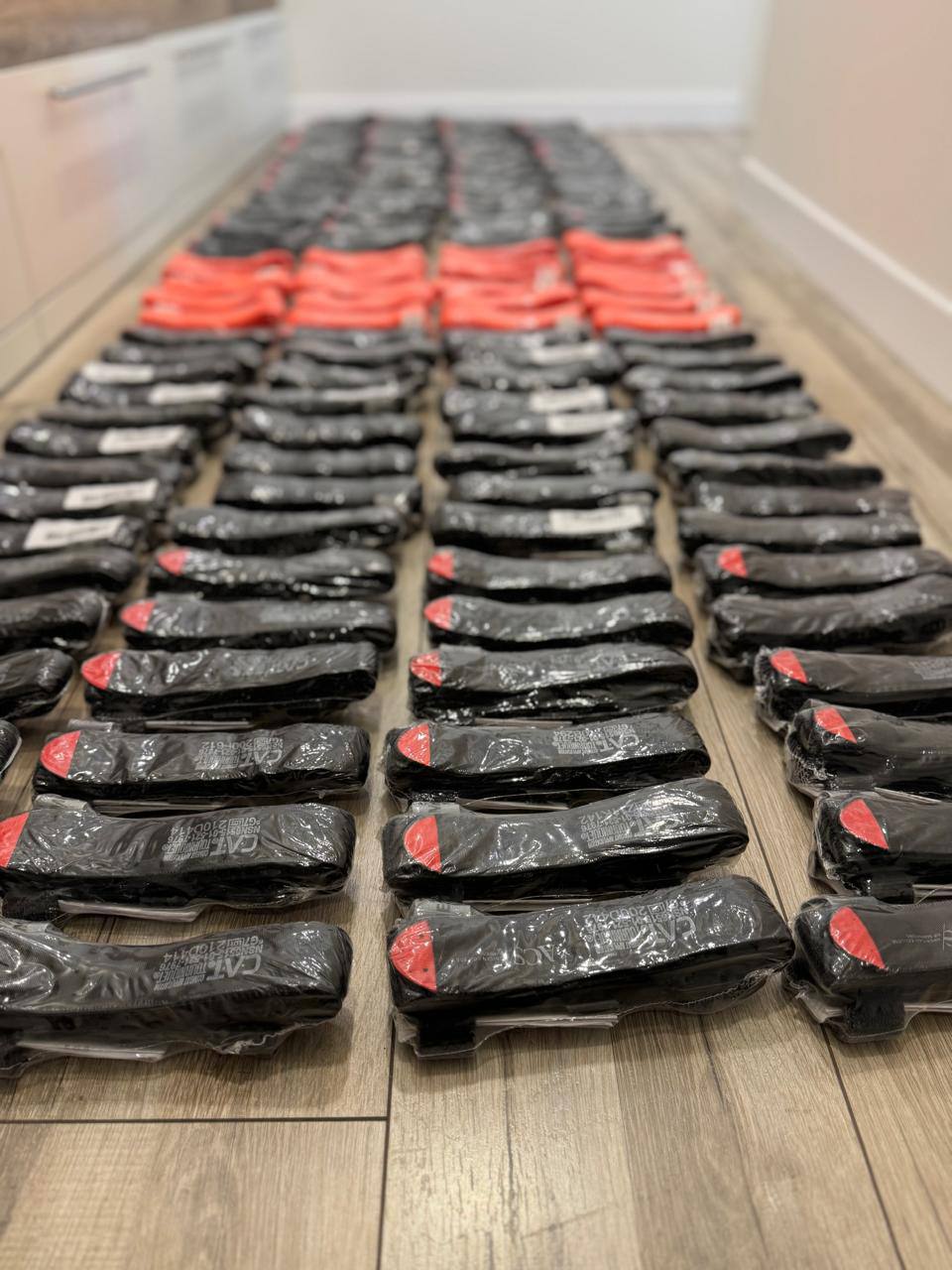
In 2024–2025, representatives of the Health and Resilience Network raised more than €16,000 in private donations, purchased, and delivered over 400 top-quality CAT tourniquets to the front lines.
Modern CAT tourniquets are a critically important component of a soldier’s individual first-aid kit. They are used to stop massive bleeding within the first minutes after an injury, when no medical assistance is available. A wounded soldier’s survival depends directly on how quickly a tourniquet is applied. In combat conditions, it is a basic and irreplaceable tool.
Any injury triggers a surge of adrenaline as the body fights for survival. But as soon as adrenaline drops, the person begins to feel weakness, dizziness, nausea, may lose consciousness, and fine motor skills deteriorate. A wounded soldier has only 1 to 3 minutes to stop the bleeding and save their life. Needless to say, there is rarely a medic standing next to them at that moment.
Tourniquets are essential not only for soldiers on the front line but also for volunteers, medics, first responders, and civilians in frontline regions. Many lives have been saved thanks to a tourniquet after a rocket strike or shelling.
Unfortunately, in reality many service members have only a single tourniquet — or none at all. Yet the standard requirement is at least four tourniquets per soldier. This is why the fundraising efforts continue.
You can support the campaign here.

Ambulances and Medical Evacuation Transport
Our team organizes charitable initiatives and engages donors to purchase and deliver ambulances from the EU to Ukraine. Russian drones are literally hunting volunteers and medical crews, and many vehicles have already been destroyed during the evacuation of civilians from areas under intense shelling.
The ambulances have been delivered to the Kharkiv, Zaporizhzhia, and Kherson directions. Many residents still remain in villages and towns near the Russian border and in active combat zones.
Most often these are elderly people who find it difficult to make the decision to leave their homes. Territorial Defense units assist them by carrying out timely evacuations and transporting patients to medical facilities — actions that save lives.